There is a style of thinking that sits underneath almost every story in this column. It is called reasoning from first principles, and the idea is beautifully simple. Instead of asking how something has always been done, you break a problem down to the things you know are fundamentally true, the physics, the materials, the raw costs, and you build your answer back up from there.
The classic example is the battery. For years, the conventional wisdom held that batteries were simply expensive and always would be. A first-principles thinker asks a different question: what is a battery actually made of, and what do those materials cost on the open market? Often the answer reveals a wide gap between the price of the ingredients and the price of the finished product. That gap is not a law of nature. It is an opportunity for better engineering.
Anyone can build one remarkable thing. Building a million of them is where the future gets made.
— From "THE MACHINE THAT BUILDS THE MACHINE"
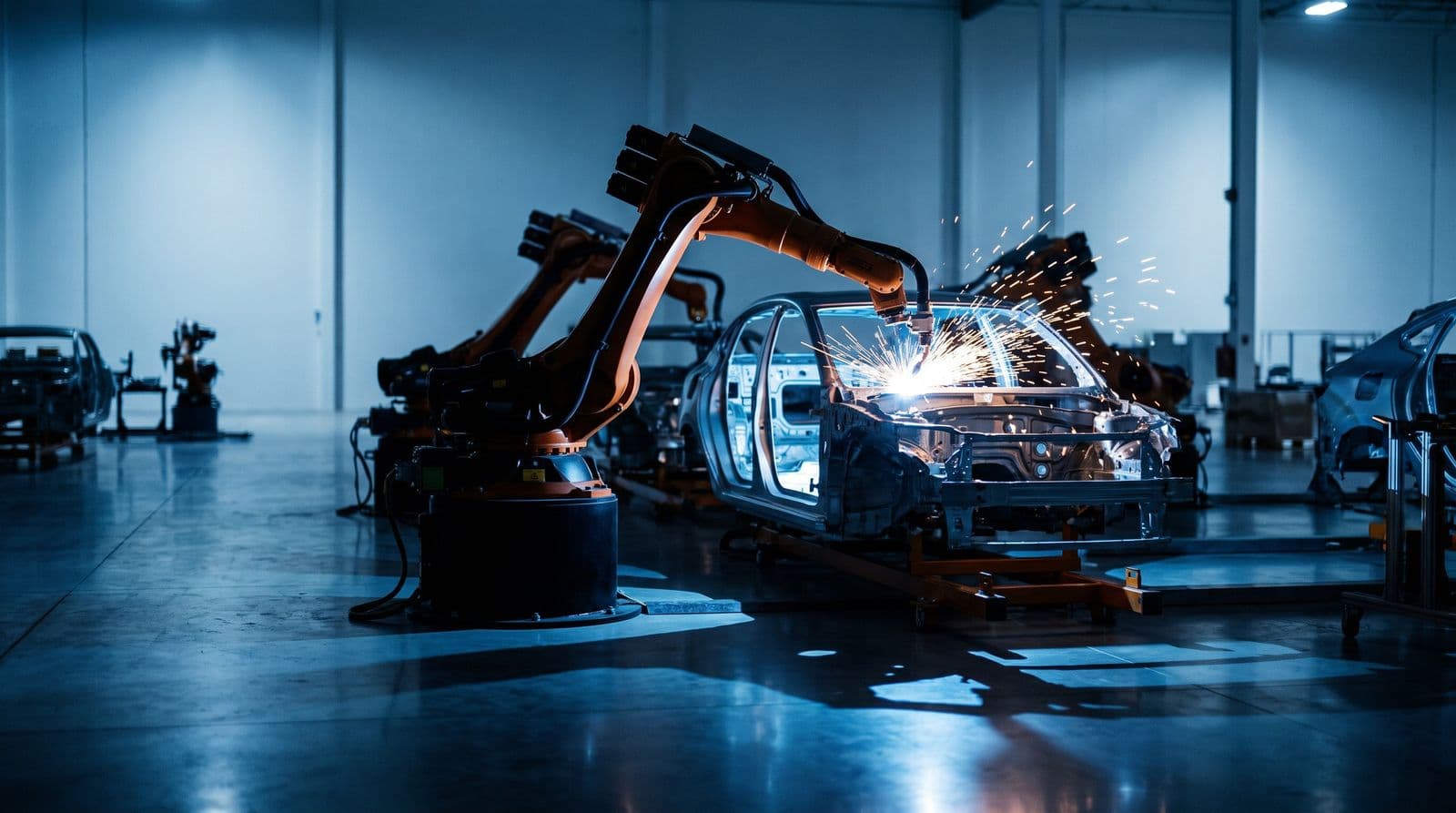
This way of thinking leads somewhere unexpected: to the factory. Anyone can build one remarkable prototype. Building a million of them, reliably and affordably, is a completely different challenge, and it is where the real breakthroughs often hide. The idea that the factory is itself the product, a machine that builds the machine, has become one of the most influential ideas in modern manufacturing.
You can see it in the giant factories that now produce electric cars and batteries at tremendous scale. Engineers there treat the production line as something to be designed, tested, and improved with the same intensity as the car itself. Ideas like casting large sections of a vehicle body as a single piece, instead of welding together many smaller parts, simplify the line, reduce weight, and cut the time it takes to build each car.
Behind those choices is a disciplined habit that is often summarized as a short algorithm. First, question every requirement, because some of them are simply wrong. Second, delete any part or process step you can. Third, simplify and optimize what remains. Fourth, speed it up. And only fifth, automate it. The order matters. The best part is no part, and the best process step is the one you never needed.
What makes this philosophy so encouraging is that it is not reserved for rocket scientists. A baker can apply it to a recipe. A teacher can apply it to a lesson plan. A small business can apply it to its paperwork. Ask what is truly required, remove what is not, and make the rest simpler and faster. It is a way of seeing the world with fresh eyes, and anyone can practice it.
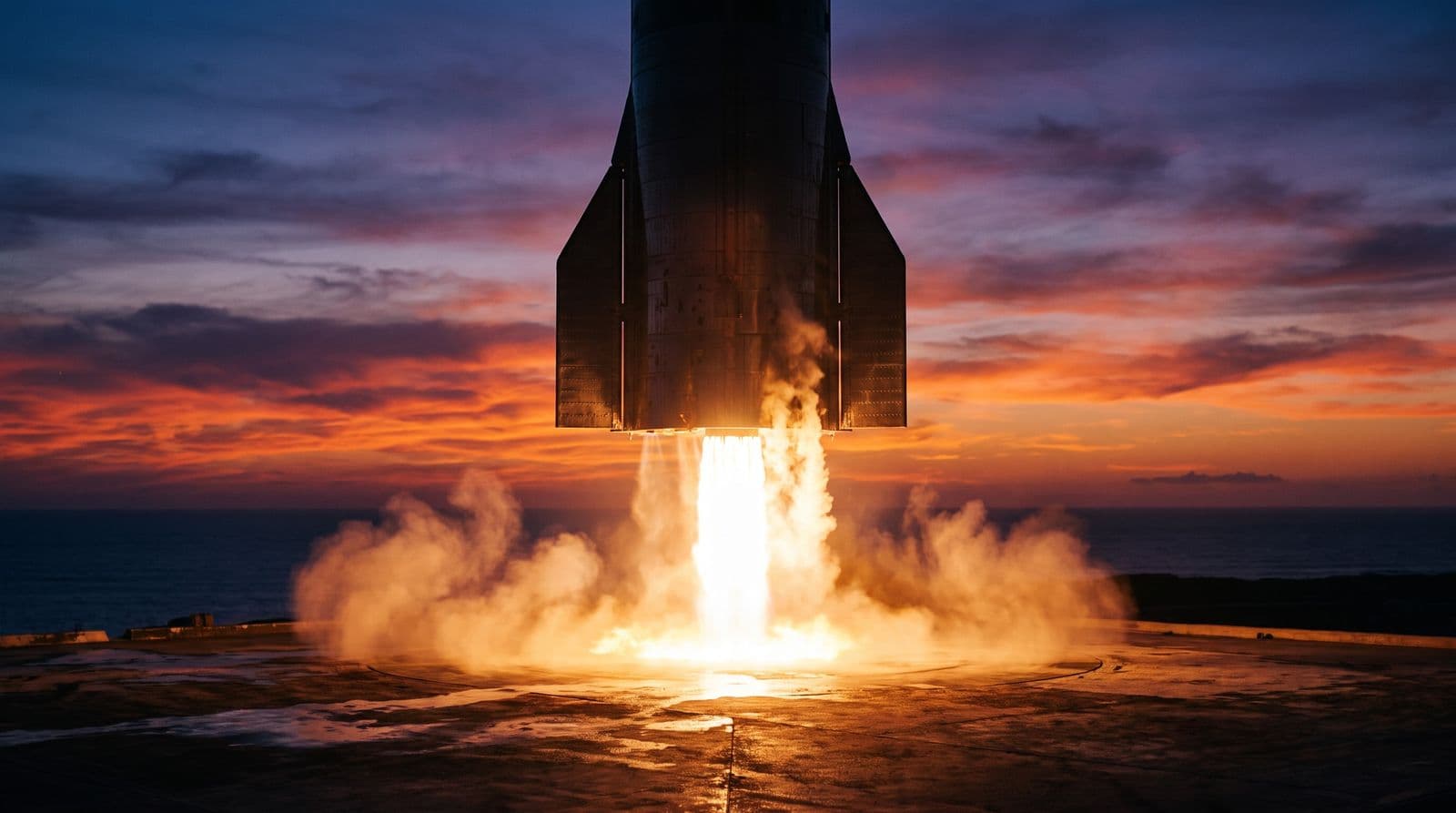
Manufacturing is also where big ideas become real and affordable for ordinary people. Every electric car on the road, every reusable rocket on the pad, every satellite in the sky began as a design on a screen and became real on a factory floor. The engineers, technicians, and line workers who make that happen are some of the unsung heroes of the future.
The people who thrive in this kind of environment tend to share a certain temperament. They are comfortable being wrong in the morning and right by the afternoon. They walk the factory floor instead of managing from a conference room. They treat every bottleneck as a puzzle rather than a complaint. It is an energetic, hands-on style of engineering, and it has produced some of the most impressive manufacturing feats of our time.
So here is to the builders, and to the machines that build the machines. Big dreams are wonderful. Making them real, by the thousands, is what changes the world.